
What you actually need to get started
Not everything sold in the garden center is useful for container growing. Here's what the courses cover and why each category matters.
One of the most common mistakes in container gardening is over-buying at the start. You end up with supplies that don't work well together, containers that are the wrong size, and tools you'll never use. The courses approach equipment from a "start with what matters" perspective and build from there.
Containers
Fabric Grow Bags
Air-pruning fabric bags have become a common choice for balcony tomatoes and peppers. They're lightweight, fold flat for storage, and the fabric construction prevents the root circling that can happen in rigid pots. The courses cover sizing guidance for different crops and how to manage watering in fabric containers, which dries out faster than plastic or ceramic.
Terracotta Pots
Classic for a reason. Terracotta breathes, which helps prevent overwatering. The tradeoff is weight and faster moisture loss in hot weather. You learn when terracotta makes sense and when a lighter alternative is worth considering, especially on upper-floor balconies where weight is a real constraint.
Self-Watering Containers
A reservoir at the bottom feeds water upward through a wicking medium. These are genuinely useful for people who travel or have inconsistent watering schedules. The courses explain how they work, which crops benefit most, and how to avoid the common mistake of keeping the reservoir too full in cool weather.
Window Boxes and Rail Planters
Long rectangular containers that attach to railings or sit on ledges. Well-suited for herbs, lettuce, and compact flowers that attract pollinators. The courses cover weight distribution, attachment methods that don't damage rental property, and crop selection for the shallower root depth these containers offer.
Soil Components
Potting Mix Base
The foundation of your container soil. You learn to read labels and understand what's actually in commercial mixes, why some are better starting points than others, and which ingredients to be cautious about (slow-release fertilizer beads can be helpful but also give you less control).
Perlite
Volcanic glass that improves drainage and aeration. Adding perlite to standard potting mix is one of the single most impactful things you can do for container growing success. The courses cover ratios for different crops and growing conditions.
Compost
Finished compost improves soil biology and adds slow-release nutrients. You learn how to incorporate it at planting time and as a top dressing throughout the season, and why it behaves differently in containers than it does dug into garden beds.
Essential Tools
Watering Wand
A long-handled wand with a gentle rose head lets you water at soil level without disturbing plants or splashing foliage. Particularly useful on balconies where you're working around railings and reaching into the back of a container arrangement.
Moisture Meter
A simple probe that tells you whether the soil at root level is wet, moist, or dry. Removes the guesswork from watering decisions, especially in the first season when you're still learning how quickly your specific containers dry out in your specific conditions.
Hand Trowel and Pruners
Two tools you'll use constantly. A narrow trowel for transplanting into containers without disturbing nearby plants. Sharp bypass pruners for harvesting, deadheading, and removing damaged growth. The courses cover basic maintenance pruning for tomatoes and herbs that keeps plants productive longer.
Fertilizer
Container plants need regular feeding because nutrients leach out with every watering. You learn the difference between balanced fertilizers and those formulated for specific growth stages, how to read N-P-K ratios, and how to develop a feeding schedule that matches your crops and season.
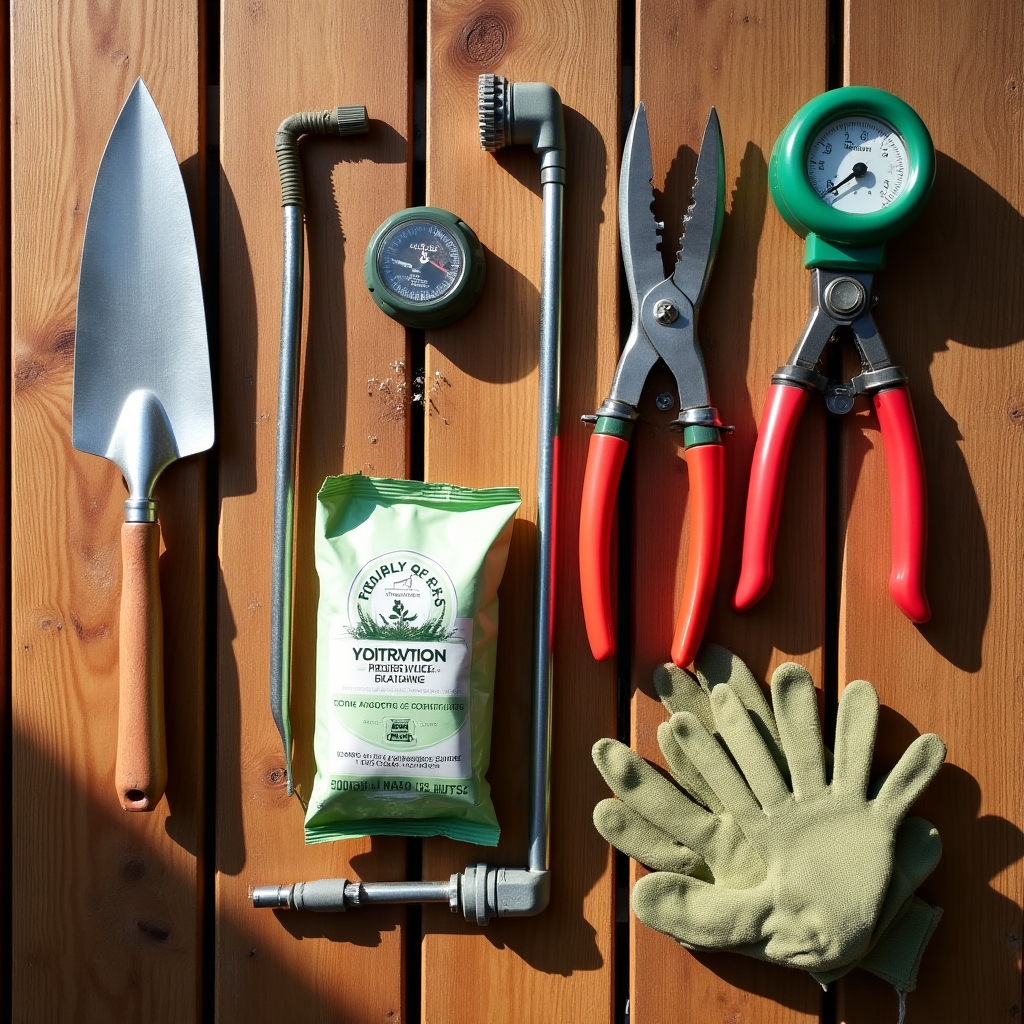 The essentials
A note on buying
The courses don't recommend specific brands or retailers. What they do give you is the knowledge to evaluate any product you encounter, whether at a big box store, a local nursery, or an online supplier. Understanding what a good potting mix should contain matters more than knowing which bag to pick up.
Container gardening equipment ranges from very affordable to surprisingly expensive, and price doesn't always correlate with usefulness for your specific situation. Starting with a modest setup and learning what you actually need is often more productive than investing heavily before your first season.
Ask a Question