
It started on a fire escape in Chicago
A single pot of basil. A lot of dead plants. Eventually, tomatoes that actually produced fruit. That arc is where this resource comes from.
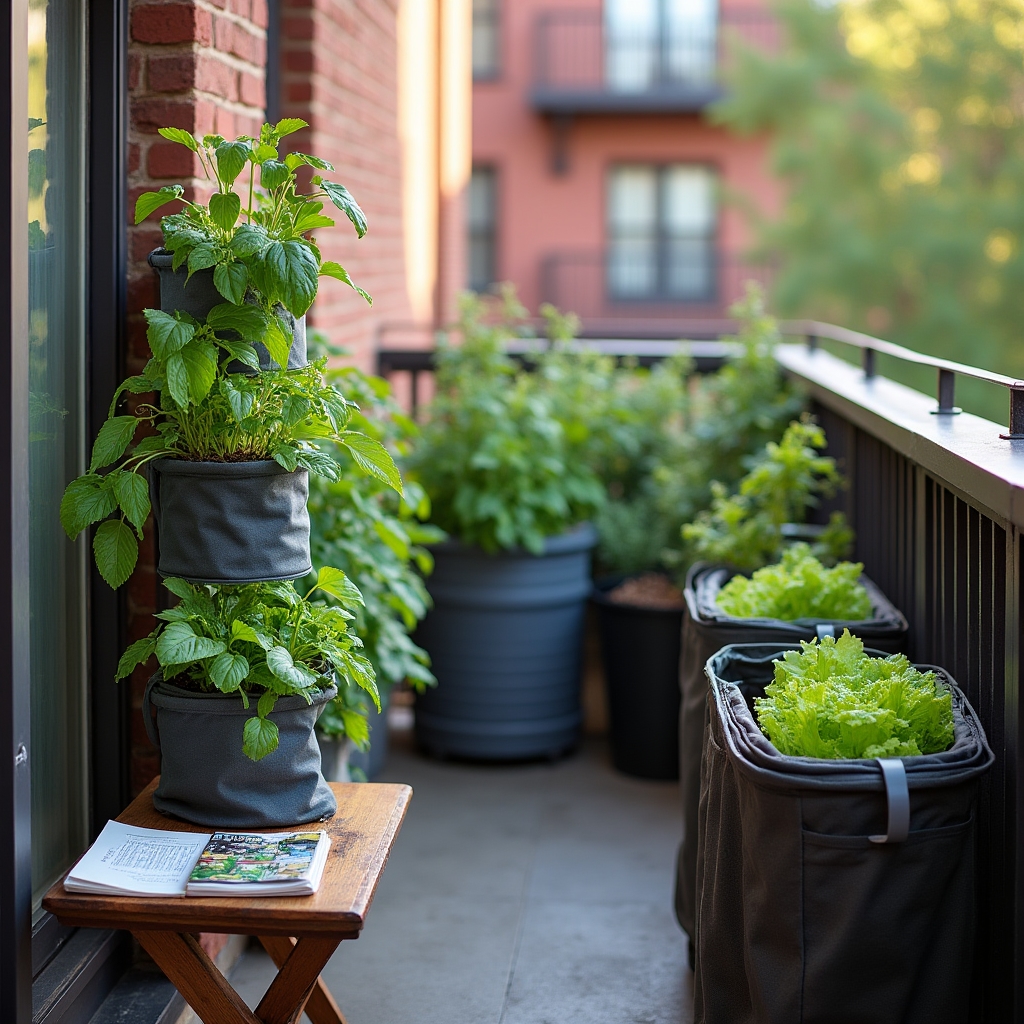 Where it began
The honest version
Most gardening advice is written for people with yards. Big raised beds, room to spread out, soil that you amend over years. That advice is fine, but it doesn't translate to a 60-square-foot balcony with a southern exposure and a landlord who has opinions about what you attach to the railing.
The container gardening information that does exist tends to fall into two camps. Either it's so basic it tells you nothing useful, or it's so technical it assumes you know what a "cation exchange capacity" is and why you should care. Neither helped much when you're standing in a garden center trying to decide between potting mix brands.
Xexuyo Xajabe exists in the space between those two extremes. You get real information about what actually matters for container growing, explained in a way that assumes you're smart but not already trained.
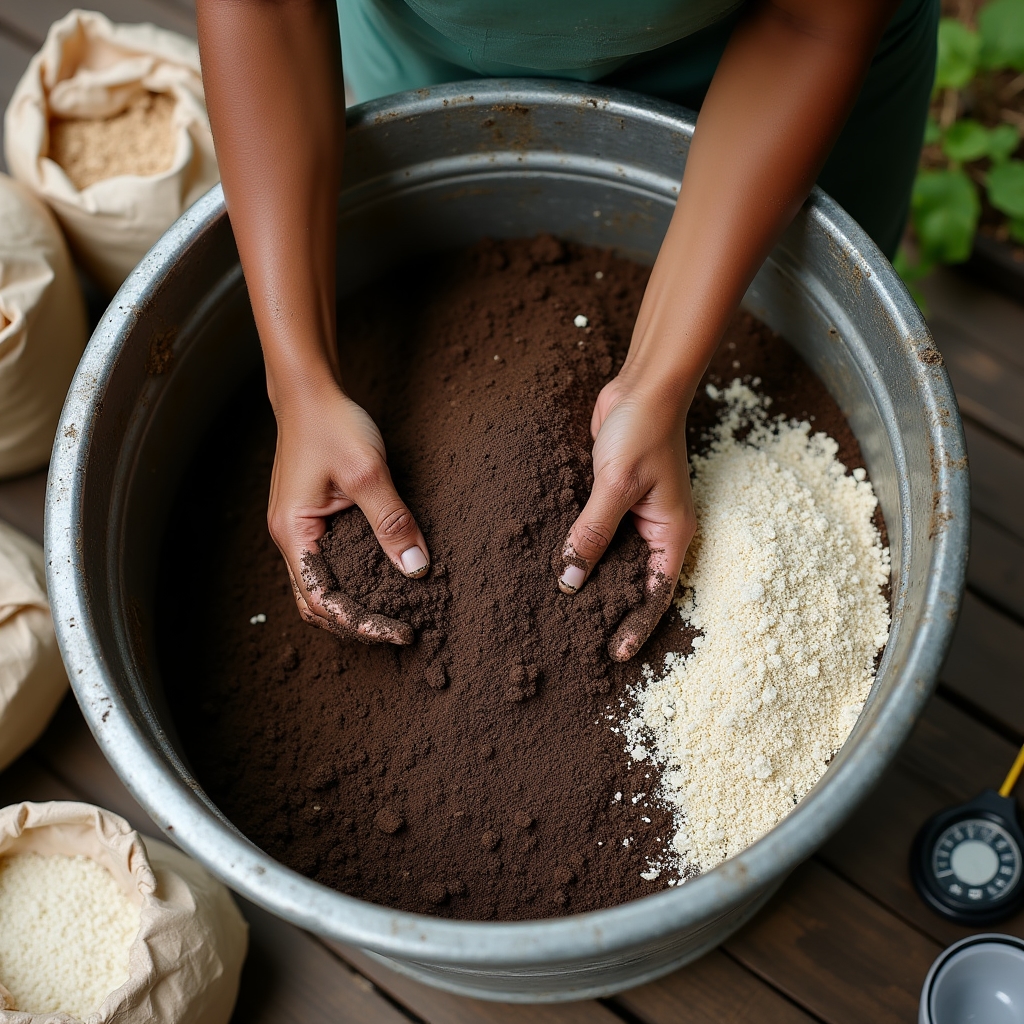 Getting the mix right
What changed everything
The turning point was understanding that container growing is its own discipline. Not a simplified version of ground gardening. Not a compromise. Its own thing, with its own logic and its own set of skills.
Once that clicked, everything else followed. Soil mixes that drain well but retain enough moisture. Pot sizes matched to plant root requirements. Sun tracking that accounts for building shadows. Varieties selected because they actually perform in confined root zones, not just because the seed packet looks appealing.
These aren't secrets. They're just things that took time to piece together from scattered sources, failed experiments, and a lot of conversations with other balcony growers. The courses collect that knowledge in one place, organized so you can find what you need when you need it.
The principles behind the content
Honest about limitations
Container gardening has real constraints. You can grow a lot, but not everything. The courses are upfront about what works and what doesn't, rather than promising results that depend on conditions you might not have.
Location-aware
Growing in Atlanta is different from growing in Denver. Your climate, your humidity, your frost dates, your typical summer temperatures all shape what you can grow and when. The content acknowledges this instead of pretending one approach fits everywhere.
Practical first
Theory is useful when it explains why something works. But every concept in these courses connects directly to a decision you'll make in your actual garden. Why does this matter? What do you do with it?
Iterative by nature
Your first season won't be your best season. That's not a failure, it's how container gardening works. The seasonal planning content is designed to help you build on what you learned, not start over from scratch each spring.