
Your Balcony
Can Feed You
Practical courses on growing vegetables and herbs in containers, designed for patios, balconies, and small outdoor spaces across the US.
Growing food in small spaces is genuinely learnable
You don't need a yard. You don't need a horticulture degree. What you need is the right information, delivered in a way that actually makes sense for your specific situation. A third-floor apartment balcony in Phoenix plays by completely different rules than a shaded patio in Portland.
That's the whole point of these courses. You receive guidance built around real container conditions: weight limits, drainage constraints, inconsistent sun exposure, and the particular challenges of growing in pots through hot summers or cool springs.
Explore the Courses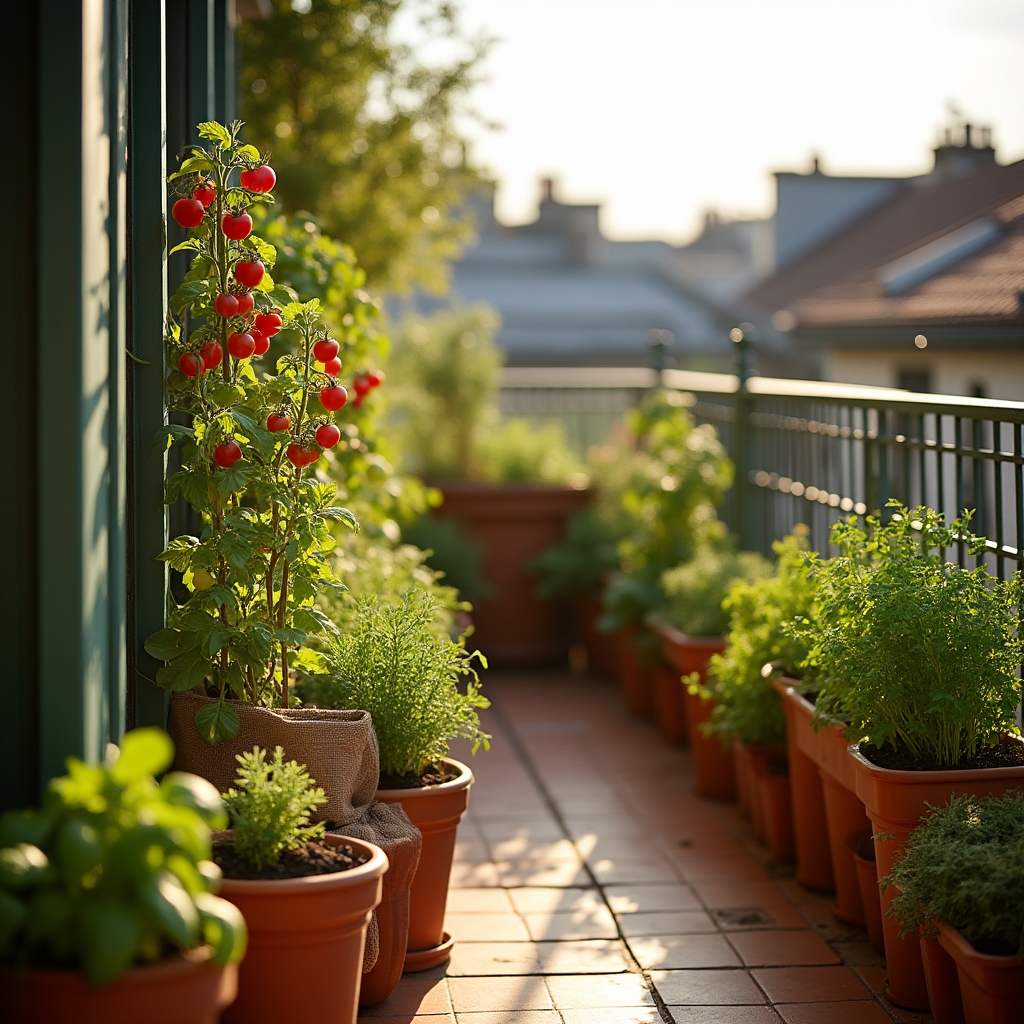 Balcony bounty
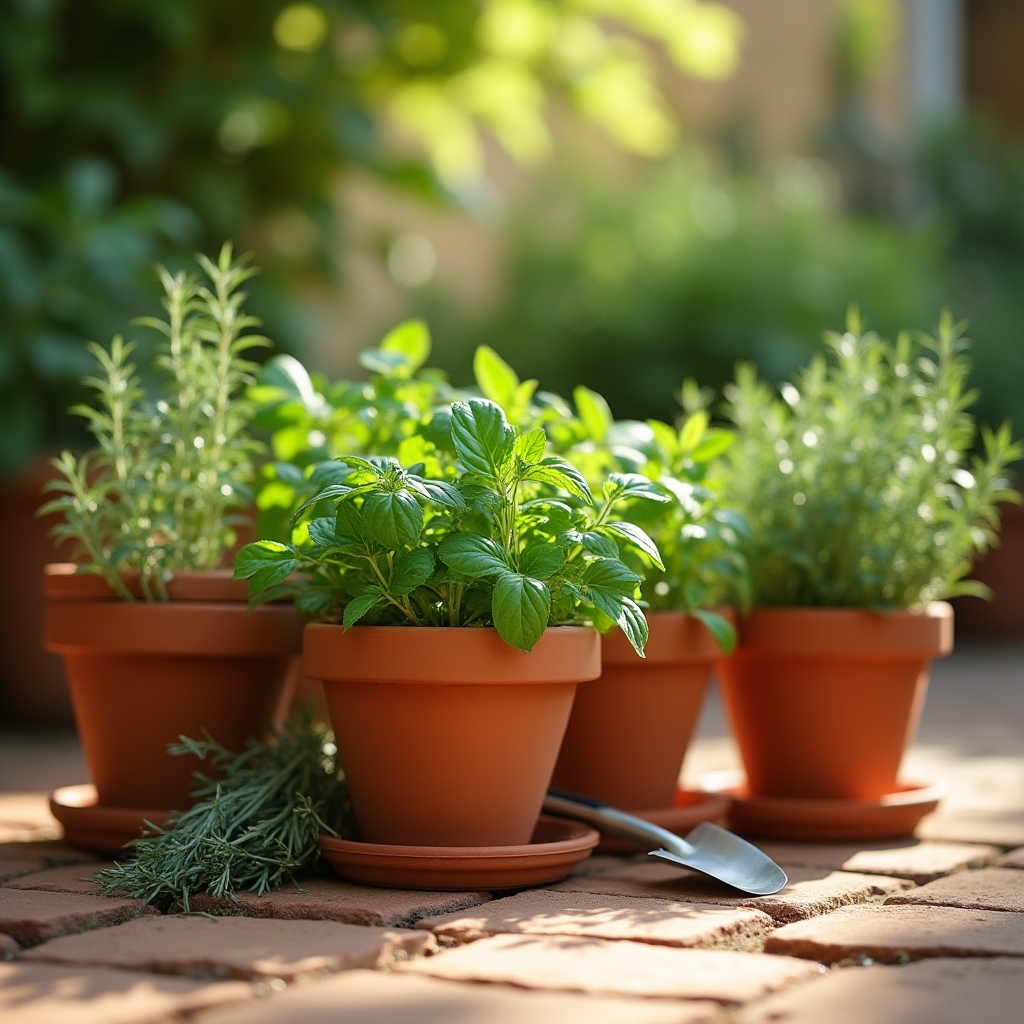 Herbs on the patio
What the courses cover
Each topic is designed to stand on its own or connect with the others, so you can start wherever your current challenge is.
Soil Mixes
Container soil is nothing like garden soil. You learn what goes into a productive mix, why perlite matters more than you think, and how to adjust for different crops and climates.
Drainage
Root rot is the quiet killer of container gardens. Your courses walk through drainage hole sizing, pot selection, and watering rhythms that keep roots healthy through every season.
Sun Exposure Planning
You track your space through a full day, understand what "full sun" actually means for a balcony versus a garden bed, and match crops to the light you actually have.
Variety Selection
Not every tomato works in a pot. You discover which vegetable and herb varieties are bred or suited for container life, producing well without sprawling or demanding deep soil.
Seasonal Planning
Your growing calendar is different from a field farmer's. You map out succession planting, understand first and last frost dates for your region, and keep something growing as many months as possible.
How you get started
Assess your space
You start by understanding what you're working with. Sun hours, weight limits, wind exposure, access to water. The course gives you a simple framework for mapping your specific conditions before you buy a single pot.
Work through the material
Your courses are self-paced, organized by topic rather than a rigid sequence. You pick what's most relevant right now. Soil mixes first if you're starting fresh. Variety selection if you already have pots but want better results.
Plant and observe
Growing in containers is a feedback loop. You plant, you watch, you adjust. The seasonal planning content helps you understand what you're seeing and what to do next, not just in year one but in every season after.
Your learning path, visualized
What's possible in small spaces
These are the kinds of results you work toward. Every space is different, and that's the whole point.
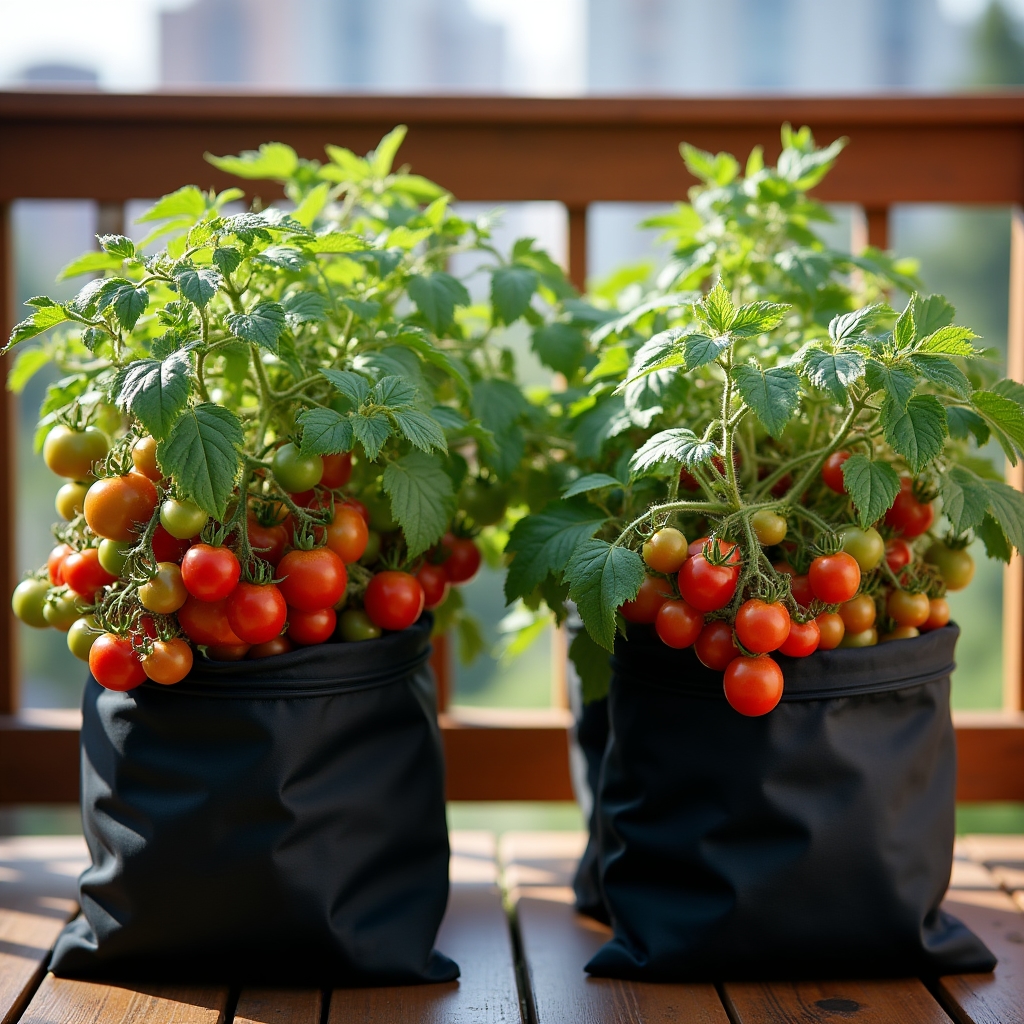 Cherry tomatoes in fabric bags
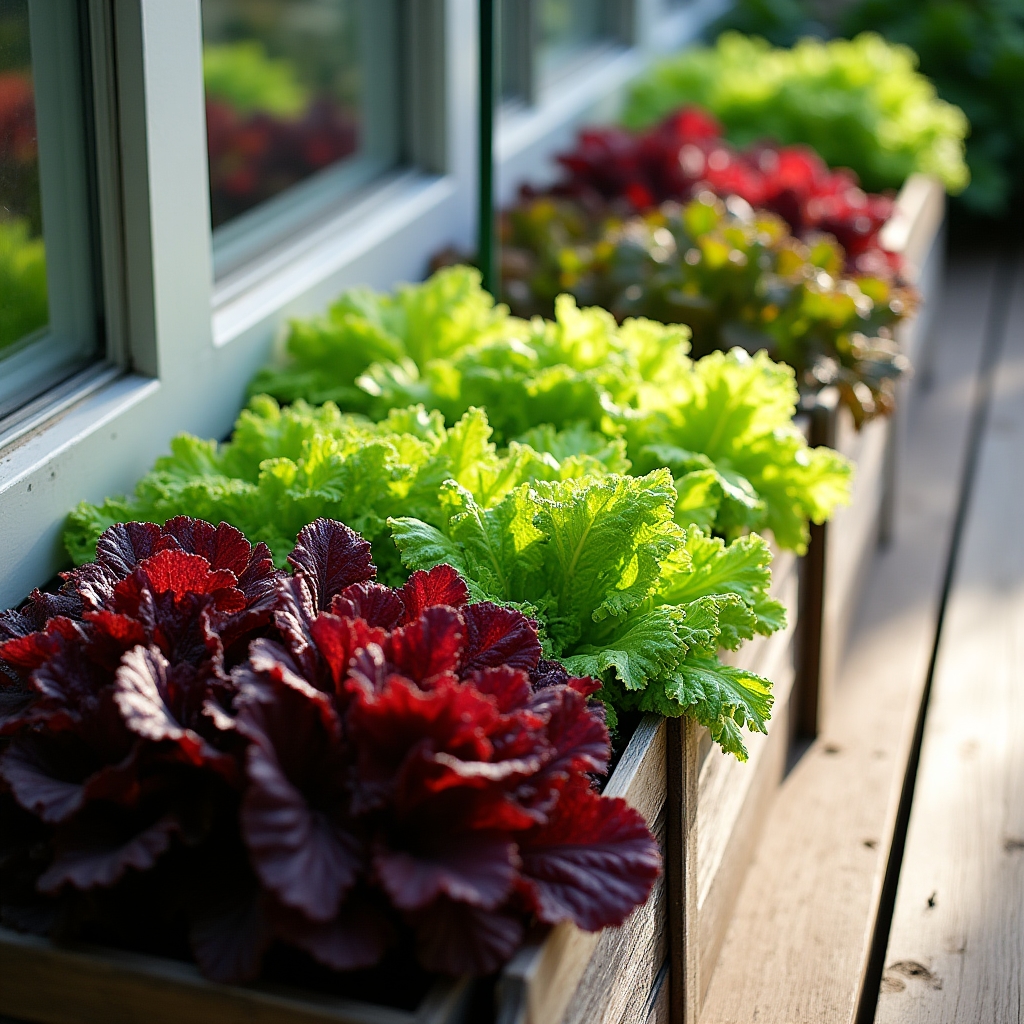 Lettuce mix in rectangular planters
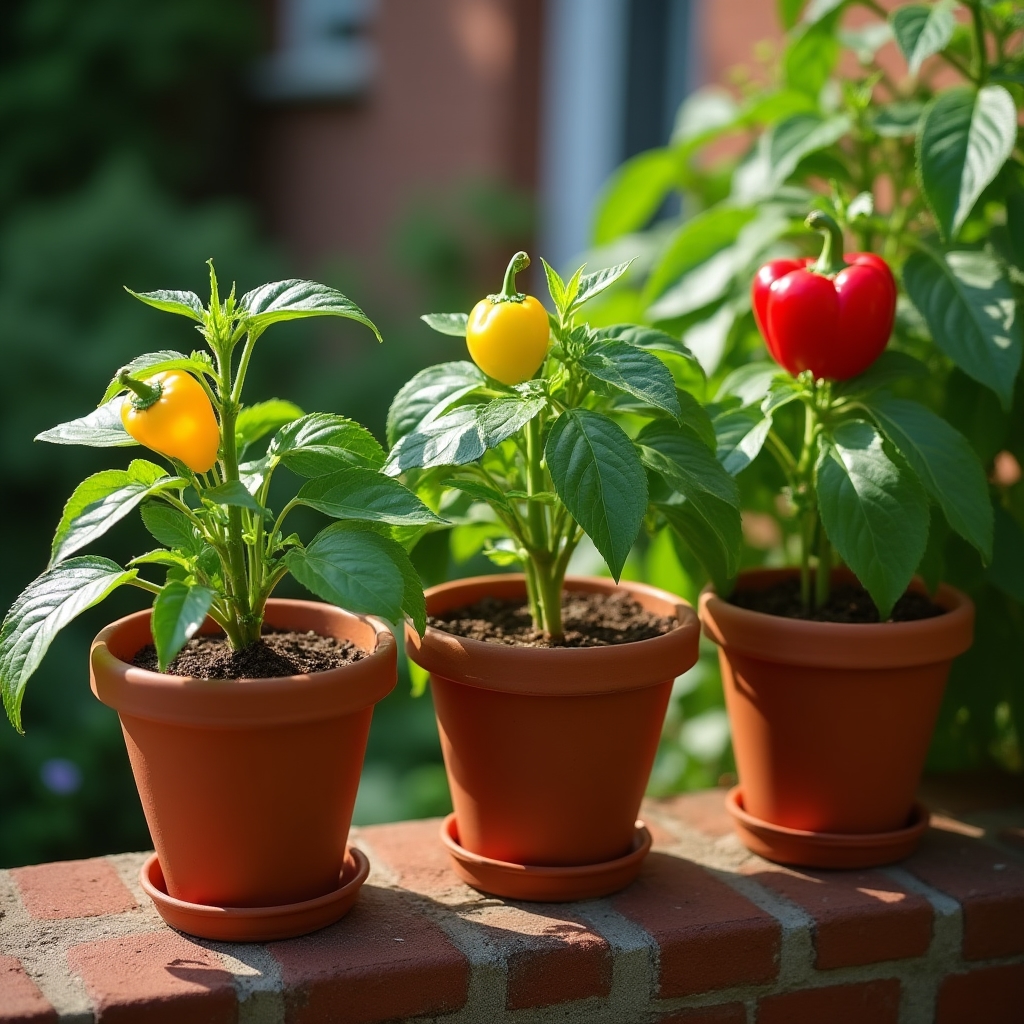 Peppers in terracotta
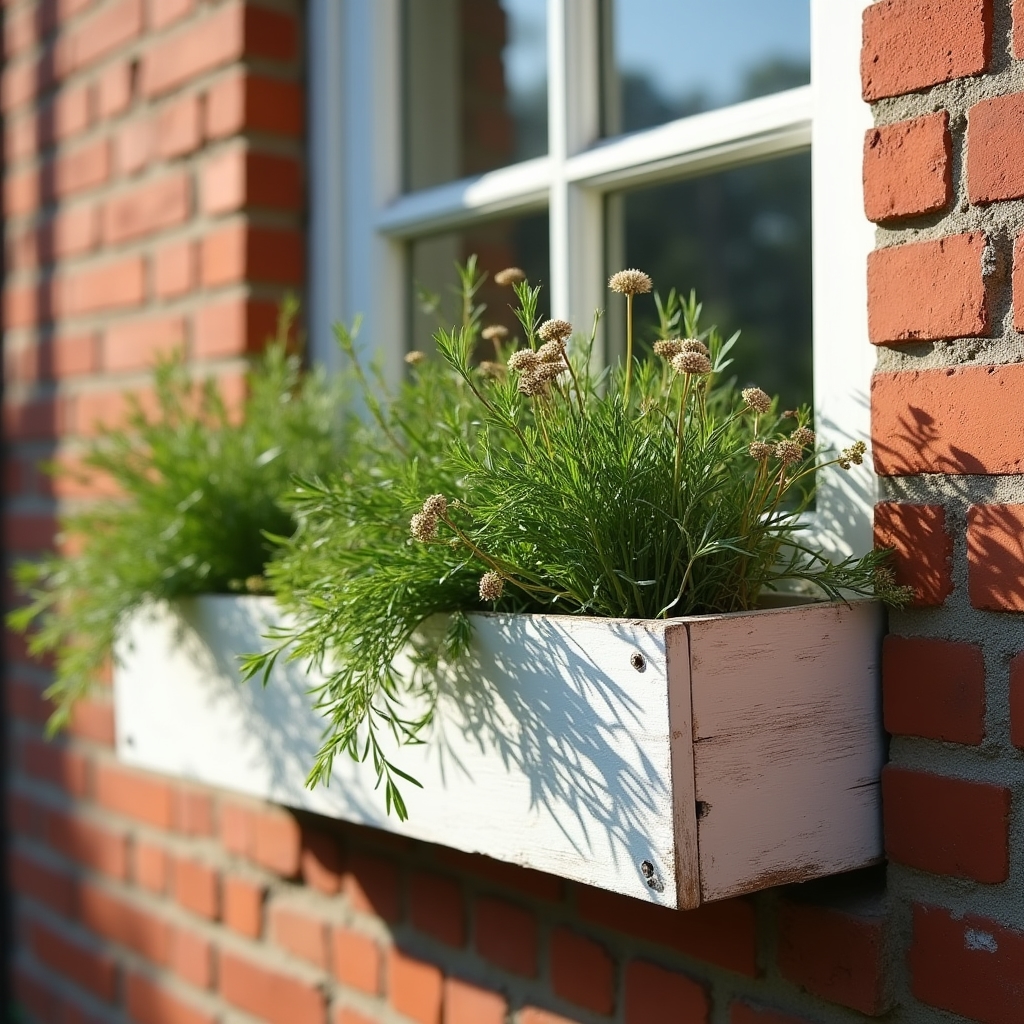 Window box herbs
US-focused content
Climate zones, regional planting calendars, and variety availability are all grounded in the US growing context, from Atlanta summers to Pacific Northwest springs.
No credentials required
This content comes from practical growing experience, not academic training. You get real-world knowledge without the jargon that often comes with formal horticultural education.
Self-paced learning
Your schedule is your own. Work through a full module on a rainy afternoon or pick up a single lesson while your coffee brews. The material waits for you.
Seasonal updates
Container gardening changes with the calendar. Course content reflects what's relevant right now, with seasonal planning material updated to match what you should be doing in your garden this month.